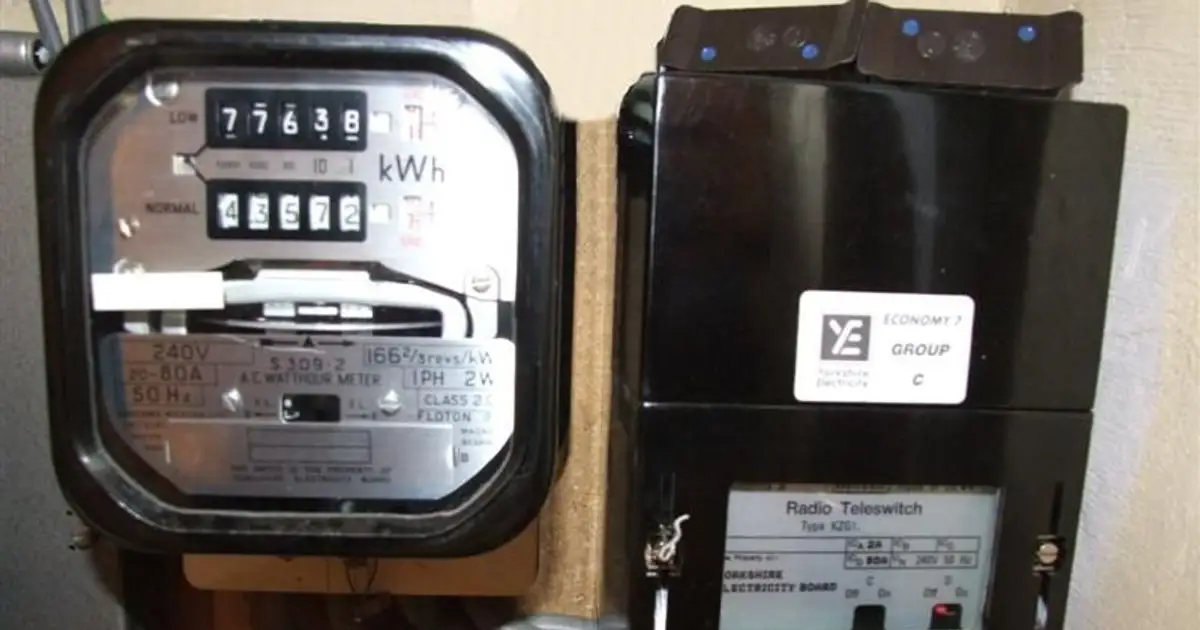
Your bill is two numbers multiplied by a meter reading: a price per unit (kWh) for what you use, plus a daily standing charge for being connected. To check it, confirm the reading is real and not estimated, then repeat the sum yourself using the rates printed on the bill.
The whole bill, worked through
Here is an invented home in December using 220 kWh of electricity and 1,100 kWh of gas. The rates are Ofgem's published price cap averages for 1 October to 31 December 2026, paying by Direct Debit. Your own rates depend on your region, tariff and how you pay.
| Charge | The sum | Cost |
|---|---|---|
| Electricity used | 220 × 26.32p | £57.90 |
| Electricity standing charge | 31 × 54.83p | £17.00 |
| Gas used | 1,100 × 7.97p | £87.67 |
| Gas standing charge | 31 × 29.68p | £9.20 |
| Total | £171.77 |
Usage figures are made up. Gas rates include 5% VAT. Ofgem says electricity carries no VAT during this period, as the government removed it from 1 October 2026.
Standing charges add up to about 85p a day. You pay them even if you use nothing, which is why a home that sits empty for a month still gets a bill.
What the words on the bill mean
kWh
A kilowatt hour is the unit you are charged for. Gas meters record their reading in metric or imperial units, depending on the meter, and your bill prices gas in kWh. So use the kWh figure printed on the bill for this sum, not the raw difference between two gas readings.
Unit rate
The price per kWh, usually in pence. If you have two rows of digits on your electricity meter, like the one in our photo, you probably have a two-rate tariff with day and night prices.
Standing charge
The daily fixed charge. It differs by fuel and by region.
MPAN and MPRN
The MPAN identifies your electricity supply and the MPRN your gas supply. These matter for the checks further down.
Taking a reading that counts
Most mistakes start at the meter, and the rules differ by type, according to Citizens Advice. On a digital electricity meter, note the first 5 numbers from the left and ignore anything in red. A two-rate meter has two rows, or one display that cycles, and you need both readings. On a metric gas meter, note the first 5 numbers and ignore anything after the decimal point. An imperial gas meter needs the first 4, ignoring the 2 red digits. Take a dated photo each time, which gives you evidence if a dispute comes up later.
What the price cap does and doesn't do
It is easy to read "cap" as a ceiling on your bill. Ofgem is clear that it is not. The cap is the maximum your supplier can charge for a unit of energy and the standing charge together. It "does not limit the cost of your total bill", so using more means paying more.
It applies to standard variable tariffs. Fixed tariffs fall outside it, and so do heat network and heating oil customers. Ofgem's announcement put the rise for a typical household at 4% for this period, and says its next update, for January to March 2027, is due on 25 November 2026. Check the current rates at Ofgem if you are reading this after that date.
Five checks when a bill looks wrong
Citizens Advice suggests working through these in roughly this order:
Is it estimated?
Look for the word "estimated" on the bill. If it is there, take a reading and send it in, then ask for an updated bill. Monthly readings keep bills accurate. If a smart meter isn't working in smart mode, read it by hand. Citizens Advice has a guide to each meter type.
Have the rates changed?
Compare the unit rate and standing charge with your last bill. On a standard variable tariff, prices can change every three months.
Is it your meter?
Compare the MPAN or MPRN on the bill with the number registered to your address. If they don't match, you may be paying for someone else's supply, so contact your supplier.
Could the meter be faulty?
This is worth exploring if bills have risen while your use has not. Ask your supplier to investigate.
Was there a recent change?
After switching supplier or getting a new gas meter, errors can creep in, including mix-ups between metric and imperial readings.
If none of that sorts it out, complain to your supplier, with photos of the meter readings, and keep all the messages. If you can't reach an agreement, you can go to the Energy Ombudsman, which is independent. Citizens Advice's consumer service can help you with next steps.
A higher bill after a real reading
It is common for a bill to jump when you send a reading after months of estimates, since the true usage catches up all at once. That is still worth checking, but it isn't automatically an error.
If you can't pay it
Contact your supplier early. Citizens Advice treats energy arrears with your current supplier as a priority debt, so they usually come before credit cards in a tight budget. Citizens Advice also lists help for winter 2026 to 2027 in England, including the Warm Home Discount of £150 and a Household Energy Payment of £100 for homes in council tax bands A to D who are liable for council tax. Rules differ by nation and by scheme, so check what applies to you before you count on it.
A cash buffer helps here too. Winter bills are one of the reasons people build emergency savings, and a Direct Debit set too low in summer can turn into a shortfall by February.